Antonio Ocaranza Fernández
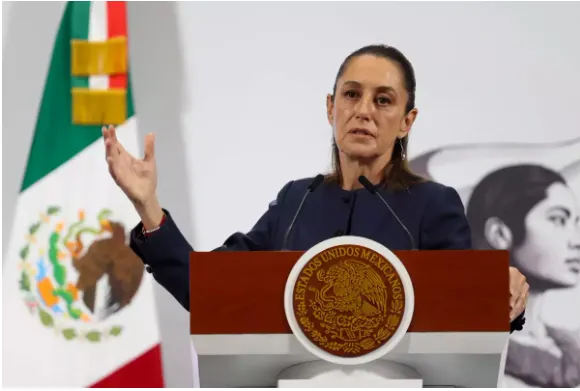
The daily morning press conferences given by Presidents Andrés Manuel López Obrador and Claudia Sheinbaum has been more of a platform for political evangelism than a systematic exercise in public information. Often, the conference and the reality of the country run parallel paths without touching each other. After more than seven years, this format has become a straitjacket that reduces flexibility and causes self-inflicted damage.
The most recent example is the operation to arrest Nemesio Oseguera Cervantes, alias “El Mencho,” leader of the Jalisco New Generation Cartel (CJNG), one of the most wanted criminals by the governments of Mexico and the United States. His elimination is undoubtedly the most decisive blow against a criminal organization dealt by a government of the Fourth Transformation, the last two to govern Mexico. It was the kind of action that could transform the national and international conversation about the state’s ability to contain and combat organized crime.
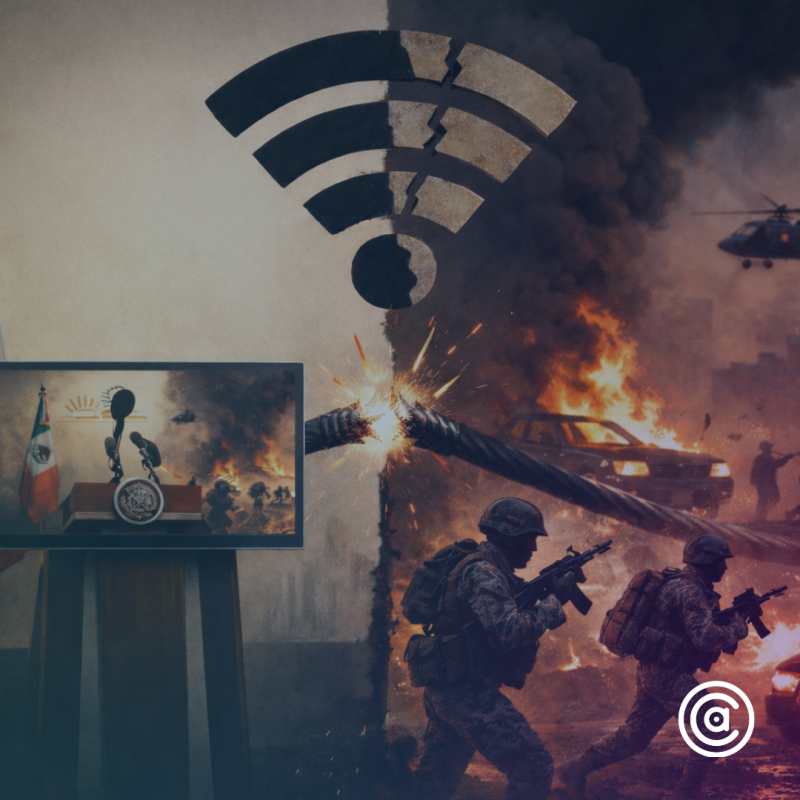
However, the handling of information about the operation made it much less effective and exposed the government’s lack of communication strategy. The armed forces’ action was not accompanied by a narrative plan; room was left for speculation, and a narrative of violence and chaos overshadowed the significance of the operation
There are five elements that highlight this failure:
- Lack of planning. If the government had decided in advance that it would take action against El Mencho, it should have anticipated different communication scenarios: success, failure, partial capture, violent reaction from the CJNG. It should also have had a key message sheet, prepared answers to the inevitable questions that would arise within minutes, and a statement from a public official establishing the official version of events. In operations of this magnitude, communication cannot be improvised.
- Information gaps. The operation took place on the morning of Sunday, February 22. Early on, reports of military mobilization in Tapalpa and speculation about the target began to circulate on social media. Official information depended on a statement from the Ministry of National Defense around 1:00 p.m. and a message from the president on X acknowledging the armed forces and calling for calm, without further details. These were written messages, without visual support or video statements, which forced television stations and digital portals to fill spaces with other types of images, including those of blockades, fires, and road closures. The scarce official information coexisted—and lost out—to the abundant coverage of the chaos.
- The president’s aversion to security issues. As a guideline of her communication strategy, President Sheinbaum has chosen to distance herself from security issues and refer questions to her security cabinet, and she did not deviate from that guideline in this case. But in doing so, she conveyed distance from a central decision of her own government and missed the opportunity to take political ownership of a successful operation.
- The tyranny of the morning press conference. The country had to wait until 7:30 a.m. on Monday to learn additional details at the presidential press conference. This logic prevented the government’s version from dominating the conversation on Sunday and much of Monday. The morning press conference ended up being reactive: not only did it explain the operation, but it also had to try to counteract the perception of insecurity stemming from the CJNG’s violent response.
- Allies waiting in the wings. The lack of proactive communication left potential allies—public officials, leaders of parties allied with the government, governors, legislators, foreign governments, and other like-minded voices—without a script. Without clear information, many opted for caution. In highly sensitive contexts, official silence can, as in this case, paralyze support.
When it comes to national security, operational secrecy is essential, but a narrative vacuum is a luxury the state cannot afford. When the government fails to explain, others do it for it: organized crime, political adversaries, or international observers. The effectiveness of an operation is measured both by its command of the terrain and its ability to control the narrative. Without a communication policy, even the greatest successes risk being diluted.